Masonry
Tuckpointing & Mortar Joint Repair
Tuckpointing and mortar joint repair address deteriorated joints between masonry units while preserving suitable surrounding brick or stone.
Explore the service
Missouri • Local project planning
Planning historic masonry restoration at a property in Willard? Start with the condition of the existing work, your intended outcome, and the information needed for an estimate. Classic Masonry Springfield can discuss the project location, scope, and next steps.

A dated photograph can be helpful when a crack, stain, or patch appears to be changing. Record the location and circumstances without trying to diagnose the cause yourself. Avoid repeatedly covering the area before it is assessed. The original appearance and any change over time may be more useful than a description that the wall simply looks old.
Historic masonry restoration focuses on preserving useful older brick or stone while addressing deterioration with an approach compatible with the existing work. Classic Masonry Springfield discusses repair priorities, material character, and project constraints before preparing a restoration estimate.
Older walls often contain a record of repairs and alterations. Note the differences in mortar, brick, surface finish, and moisture behavior before deciding what to remove. A uniform new surface is not necessarily the most appropriate restoration outcome.
Older masonry can require a different repair approach from newer construction. The properties of the existing units and mortar must inform the replacement material. Choosing the hardest product without considering the assembly can create a poor match.
A building age alone does not establish its legal preservation status. Ask the applicable local authority about approvals relevant to the property and the proposed work. Keep that information with the scope so material and appearance decisions are made in the right sequence.
The most visible damage is not always the full repair area. A chimney concern can involve higher details or internal components that are not visible from the yard. Explain all the symptoms when arranging a visit, including water or smoke concerns. Safe access and the appropriate examination should be planned rather than improvised.
Willard identifies itself as a northwestern Greene County community within the Springfield metropolitan area. The city's official resources also describe the Frisco Highline Trail through central Willard. For a masonry project, the relevant local detail is the exact property and its jurisdiction, not an assumption drawn from a nearby landmark.
Willard municipal resourcesShare the building history, earlier repair information, and restoration goals.
Examine the masonry and identify the character-defining details.
Agree on compatible repair methods, samples where appropriate, and approvals.
Complete the defined restoration while retaining suitable existing material.
Every project is priced from its own scope. A generic starting price cannot account for the actual condition, access, and work involved. These are the details to discuss.
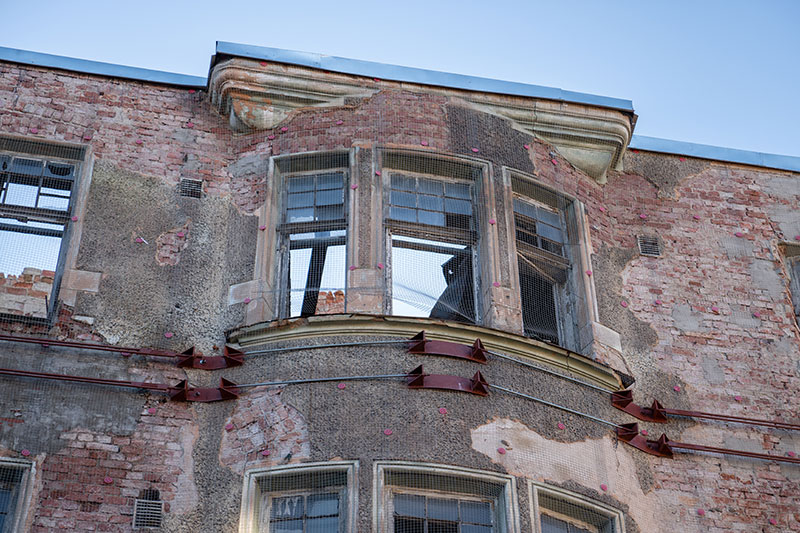
Use this visual reference to explain what you like or what needs attention. Your property's dimensions, existing materials, and construction determine the appropriate scope.
Explore the image collectionTuckpointing and mortar joint repair address deteriorated joints between masonry units while preserving suitable surrounding brick or stone.
Explore the serviceBrickwork brings individual masonry units, mortar joints, and structural details together into walls, entries, and architectural features.
Explore the serviceCustom masonry turns a specific design goal into a brick or stone feature planned for its setting and intended use.
Explore the serviceHave a question about your property? Give us a call. The actual condition and scope guide the answer.
(417) 859-6388 ↗Contact Classic Masonry Springfield with the Willard property location and a description of the work. The condition, access, scope, and scheduling requirements will guide the estimate conversation.
Not automatically. Sound material may be retained where appropriate. The repair scope should follow condition and compatibility rather than replacing everything merely to create a uniform appearance.
The correct choice depends on the existing masonry and application. A modern product should not be assumed compatible without considering its properties and the material it will contact.
No. Age and legal preservation status are different things. Check property-specific requirements with the applicable authority before planning work that may affect protected features.
Suitable units may sometimes be retained or reused, depending on their condition and the project. Fragile or damaged material should not be reused solely for appearance.
Describe the feature and symptoms, provide the address, and arrange the appropriate assessment. The estimate can then account for materials, access, and the actual repair limits.
Tell us what you are planning. We will help define the next step and the estimate your project needs.